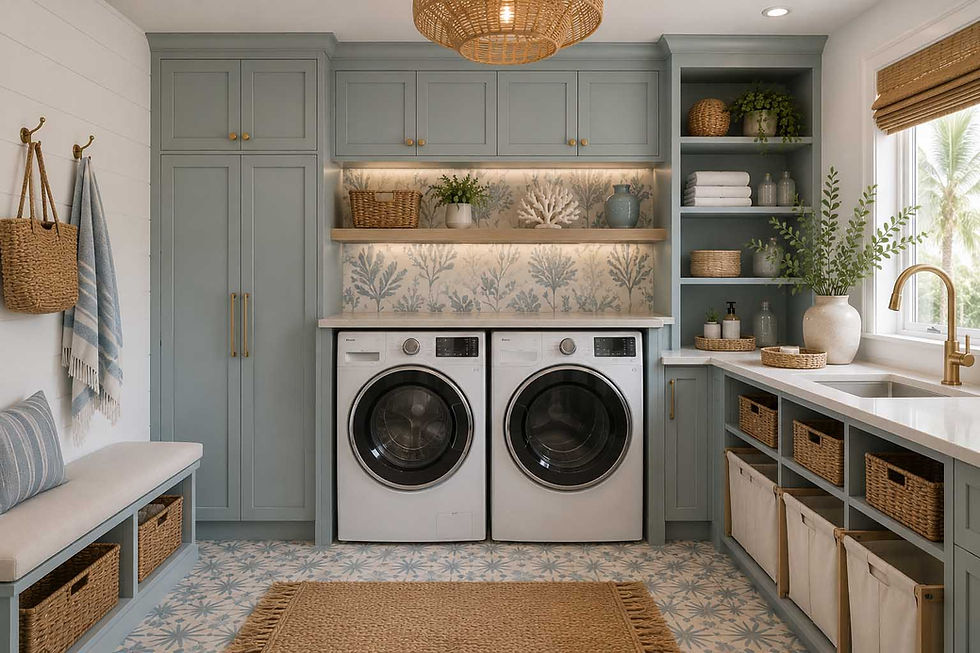
How to Keep a New Custom Home Organized After Move-In
Moving into a newly constructed custom home is an exciting milestone. After months of planning, selections, construction, and anticipation, homeowners finally get to experience the spaces that were carefully designed around their lifestyle.
But once the boxes are unpacked and everyday life begins, even a thoughtfully designed home can become cluttered without the right systems in place.
The good news is that organizing a new home after moving in does not mean filling every cabinet with bins or creating complicated routines. The most effective organization systems are usually the ones that work naturally with the way you live.
At Frazier Homes, we believe a well-designed custom home should not only look beautiful on move-in day—it should continue to function beautifully for years to come.
Whether you have recently built a custom home or are simply looking for better ways to organize your space, these practical new home organization ideas can help keep your home functional, calm, and beautiful.

1. Don't Organize Every Space Immediately
One of the most common mistakes after moving into a new home is trying to fully furnish and organize every cabinet, closet, drawer, and storage area immediately.
Instead, give yourself some time to understand:
How you naturally move through the home
Where everyday items tend to accumulate
Which entrances your family uses most
What storage areas are most convenient
Which items you actually use regularly
You may discover that the drawer you originally planned for mail works better for charging devices, or that certain kitchen items belong closer to the prep area than where you initially placed them.
Living in your new home for several weeks can reveal better long-term home organization solutions than trying to perfect everything during move-in week.
2. Create Organization Zones Based on Your Daily Routine
One advantage of a custom home is the ability to incorporate spaces designed around specific parts of everyday life.
Luxury custom homes may include:
Mudrooms
Butler's pantries
Walk-in pantries
Laundry rooms
Home offices
Lower-level entertaining spaces
Wellness rooms
Once you move in, give each of these spaces—and the storage within them—a clear purpose.
For example, establish a dedicated drawer for charging devices, a location for school paperwork and mail, a beverage station, designated cleaning-supply storage, and specific areas for seasonal items.
The goal isn't simply to put things away. It's to make frequently used items easy to find, use, and return.
The fewer decisions you have to make about where something belongs, the easier it is to keep a home organized.

3. Make the Mudroom Your Organization Hub
For many families, the mudroom is the organizational backbone of the home.
It is also one of the easiest places for clutter to accumulate.
Create designated locations for everyday items such as:
Shoes
Backpacks and bags
Jackets
Mail
Keys
Sports equipment
Pet supplies
Built-in cabinetry, individual cubbies, drawers, baskets, hooks, and closed storage can all help contain the items that enter and leave the home every day.
If your mudroom connects to the garage or primary family entrance, organizing this space effectively can prevent clutter from migrating into the kitchen and main living areas.
4. Keep Luxury Kitchen Counters as Clear as Possible
A beautifully designed custom kitchen can quickly feel cluttered when countertops become storage space.
Rather than keeping every appliance and everyday item visible, take advantage of storage features such as:
Appliance garages
Deep drawers
Walk-in pantry storage
Cabinet organizers
Hidden charging stations
Prep kitchens
Butler's pantries or sculleries
Keeping frequently used items accessible without keeping everything on display creates what designers often describe as visual calm.
It also allows the cabinetry, countertops, backsplash, lighting, and architectural details of the kitchen to remain the focus.

5. Organize Custom Closets Seasonally
A large custom closet doesn't automatically stay organized.
In fact, having more storage can sometimes make it easier to hold onto items that are rarely used.
Consider rotating seasonal:
Clothing
Shoes
Accessories
Outerwear
Holiday items
Move items that aren't currently needed into secondary or less accessible storage while keeping everyday pieces within easy reach.
Periodically editing what you own can be just as important as adding organizational products.
Luxury organization isn't always about having more storage. Sometimes it's about storing less, more intentionally.

6. Create Simple Household Organization Systems
The homes that stay organized usually aren't being constantly reorganized. Instead, they rely on small routines that prevent clutter from accumulating in the first place.
Consider establishing habits such as:
A quick daily countertop reset
Weekly mail and paperwork sorting
A permanent donation bin
Regular pantry and refrigerator clean-outs
Seasonal closet reviews
A designated place for items that need to leave the house
These systems don't need to be elaborate.
The best home organization system is one your household can realistically maintain.
7. Be Intentional With Decorative Styling
Organization isn't limited to what is behind cabinet and closet doors.
One of the easiest ways for a new custom home to begin feeling visually cluttered is through over-accessorizing.
Rather than filling every tabletop, shelf, and wall, consider a more intentional approach with:
Cleaner surfaces
Layered textures
Fewer, larger decorative pieces
Meaningful artwork
Functional décor
Open areas that give architectural details room to breathe
This is particularly effective in luxury interiors, where materials, millwork, lighting, cabinetry, and architecture are often design features themselves.
You don't need to decorate every empty space.
8. Use Your Custom Home's Storage the Way It Was Designed
One of the advantages of building a custom home is the opportunity to plan storage around the way the household actually lives.
Your home may include:
Walk-in pantry storage
Linen closets
Built-in cabinetry
Laundry room storage
Lower-level storage rooms
Garage organization
Mudroom cabinetry
Specialty storage incorporated into millwork
After move-in, use these areas intentionally before adding freestanding cabinets, shelving, or other organizational products.
Well-planned custom home storage can keep necessities nearby while allowing the primary living spaces to remain uncluttered.

9. Create a System for Mail, Manuals and Household Documents
Paper clutter has a way of accumulating quietly.
Mail, school papers, receipts, warranties, appliance manuals, construction documents, and other household paperwork can quickly take over countertops and drawers if there isn't a designated system.
Consider creating a central location for incoming paperwork and deciding what should be:
Acted on
Filed
Digitized
Recycled
For important home documents, consider maintaining an organized file for appliance information, warranties, maintenance records, paint colors, finish specifications, and other details you may need later.
Hidden filing drawers, a home office, or a dedicated household command center can keep these documents accessible without adding visual clutter.
10. Don't Forget the Garage and Long-Term Storage Areas
When organizing a new home, it's easy to focus on the rooms guests see and leave the garage and storage areas for later.
That can quickly lead to boxes and miscellaneous belongings accumulating without a permanent location.
Establish categories early for items such as:
Tools
Lawn and garden equipment
Holiday décor
Outdoor furniture accessories
Sports equipment
Bulk household supplies
Seasonal items
Leave some available capacity rather than filling every shelf immediately.
Your storage needs will change over time, and having room to accommodate those changes can prevent future clutter.

11. Plan for How Your Home Will Change
One of the most important things to remember about organizing a custom home is that organization isn't static.
A storage system that works perfectly today may need to change as children grow, hobbies change, work routines evolve, or the way you entertain shifts.
That's okay.
A well-designed custom home should be able to adapt alongside the people living in it.
Periodically reconsider how rooms and storage areas are functioning rather than continuing to use a system simply because that's how it was established on move-in day.
What Should You Organize First After Moving Into a New Home?
If organizing an entire new home feels overwhelming, start with the areas that affect everyday life the most.
For most households, that means the kitchen, pantry, mudroom, primary closet, laundry room, and main entry areas.
Once those high-use spaces are functioning well, move on to secondary bedrooms, entertaining areas, long-term storage, and the garage.
Prioritizing function first allows you to learn how you actually live in the home before committing to permanent organization systems.
Final Thoughts: A Well-Designed Home Should Work Beautifully, Too
A beautifully designed custom home performs best when thoughtful organization supports the way homeowners actually live.
At Frazier Homes, we believe luxury living isn't simply about finishes or square footage. It's about creating environments that remain functional, comfortable, calm, and enjoyable long after move-in day.
Thoughtful architecture and custom storage provide the foundation. Intentional organization and simple household habits help homeowners make the most of those spaces for years to come.
Because ultimately, a successful custom home isn't simply beautiful to look at.
It's designed to live beautifully, too.